Materials · 8 min read
Easy-Care Surfaces: What Still Looks Good After Five Years
You wipe the high-gloss front for the third time this week. Fingerprints at the children's eye level, a pale ring beside the hob, scratches in the floor in front of the terrace door where the dog comes in. The kitchen was lovely on day one. Imagine instead a kitchen that you simply use: a hand across the front, a cloth across the worktop, and nothing left to look at.
As an example, take a family in a terraced house in Klosterneuburg, an imagined case with two children, seven and ten, and a dog. Five years ago they renewed their kitchen, with white high-gloss fronts, a quartz composite worktop and a light oak floor. Their question to us was simple: what should we have done differently? The answer is an honest assessment of easy-care surfaces, not by the brochure, but after five years of family life.
Contents
- What "easy care" really means
- Kitchen fronts: high gloss, matt lacquer, veneer, laminate
- Worktops: where daily life is toughest
- The verdict at a glance
- Floors: the test in front of the terrace door
- Bathroom: water, limescale and soap
- Patina or wear: the decisive difference
- Checklist for choosing
- What the family in Klosterneuburg would do differently today
- Frequently asked questions
- What happens next
What "easy care" really means
The term is used generously in brochures. In daily life it splits into two questions that should be asked separately.
The first question is: how much effort does the surface cost every day? Does it have to be wiped immediately, does it need special products, does it show every drop? The second question is: how does it look after five or ten years? Has it developed a patina that looks good, or wear that annoys?
Some materials are demanding in daily use and still age beautifully, such as oiled solid wood. Others are effortless day to day but show marks after years that can no longer be put right, such as some glossy lacquered finishes. Anyone who understands both chooses better.
Easy care is not a property of the material alone. It is the relationship between the material and the life that takes place on it.
What doing nothing costs. Choosing by the showroom feels harmless, because it looks good there. The price arrives later, quietly: the minutes spent wiping every evening, the replacement that comes years too soon. A surface that does not suit your life is paid for in daily effort. So where do the marks matter most?
Kitchen fronts: high gloss, matt lacquer, veneer, laminate
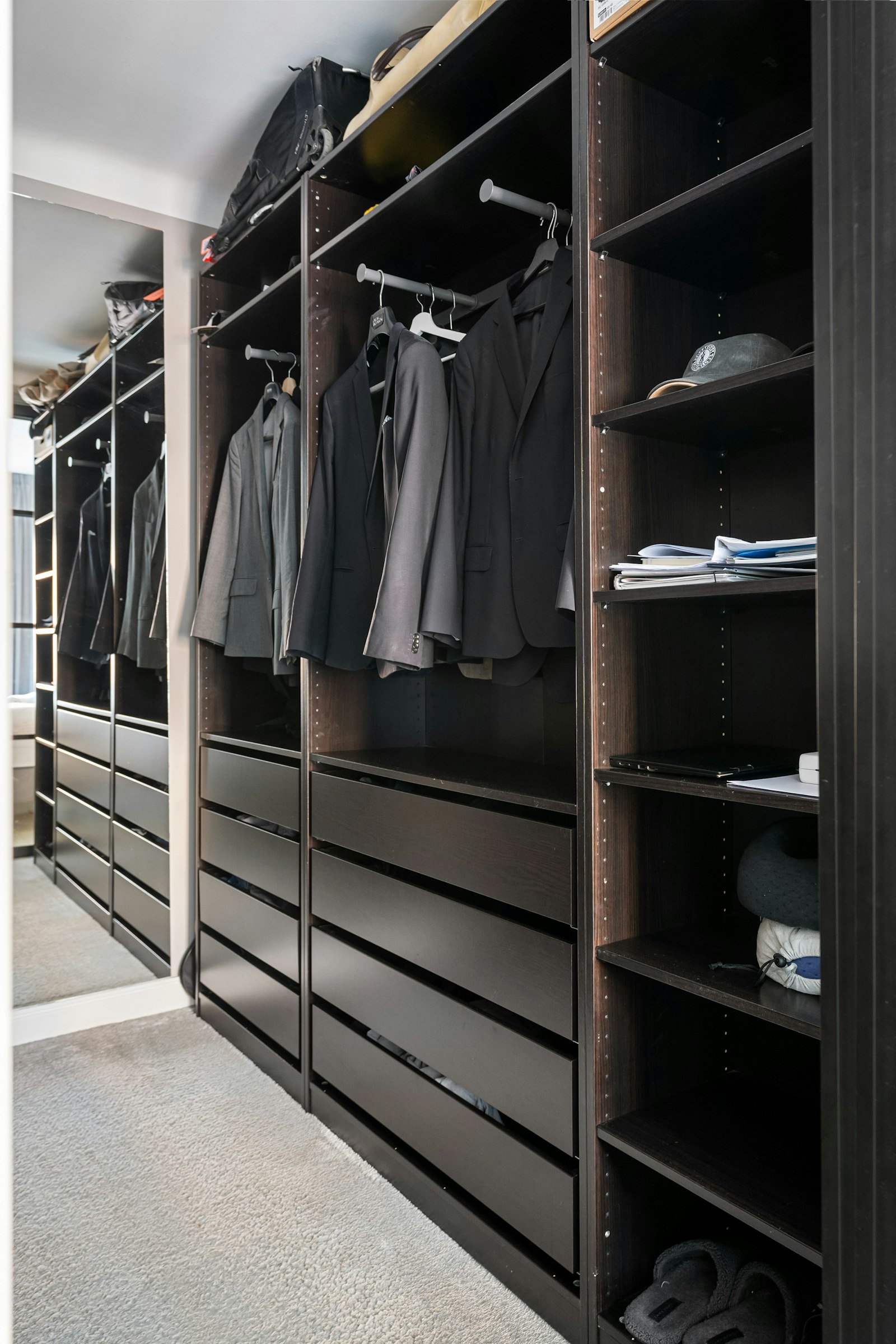
With fronts, what matters most is how they cope with fingerprints and small knocks. High-gloss lacquer looks wonderful on day one, but shows every print and every fine scratch in raking light. In a family kitchen with handleless fronts, that is a test of patience.
Matt lacquer is more forgiving. Modern lacquers with anti-fingerprint properties reduce visible marks considerably. With knocks, however, lacquer can chip, and repair is laborious. Veneer with an oiled or matt-lacquered finish ages more naturally, and small marks disappear in the grain. Super-matt laminates with a nanotech surface are very robust, low on fingerprints and in some cases even thermally repairable when scratched. You will find a detailed comparison in our piece on kitchen fronts in lacquer, veneer and solid wood.
If you want handleless fronts, you should know that marks then collect at the edges and in the finger recesses. The pros and cons of this in daily life are covered in the article on the handleless kitchen. Even more demanding is the worktop.
Worktops: where daily life is toughest
The worktop is the most heavily stressed surface in an apartment. Knives, hot pans, red wine, lemon juice, water at the sink. This is where it becomes clearest what lasts and what merely looks good.
Ultra-compact surfaces such as Cosentino Dekton are very resistant to heat, scratches and stains, and UV-stable. In daily use they are hard to impress. Their weak point is edges: a hard blow with a cast-iron pot can chip an edge. That is why we plan edges slightly chamfered, and deliberately so in places with heavy traffic. More on this in the piece Dekton explained.
Quartz composite is stain-resistant and easy to care for, but contains synthetic resin as a binder. Hot pans straight from the oven can cause discolouration or cracks, and outdoors the material yellows. For the family in Klosterneuburg, the pale ring beside the hob came from exactly that.
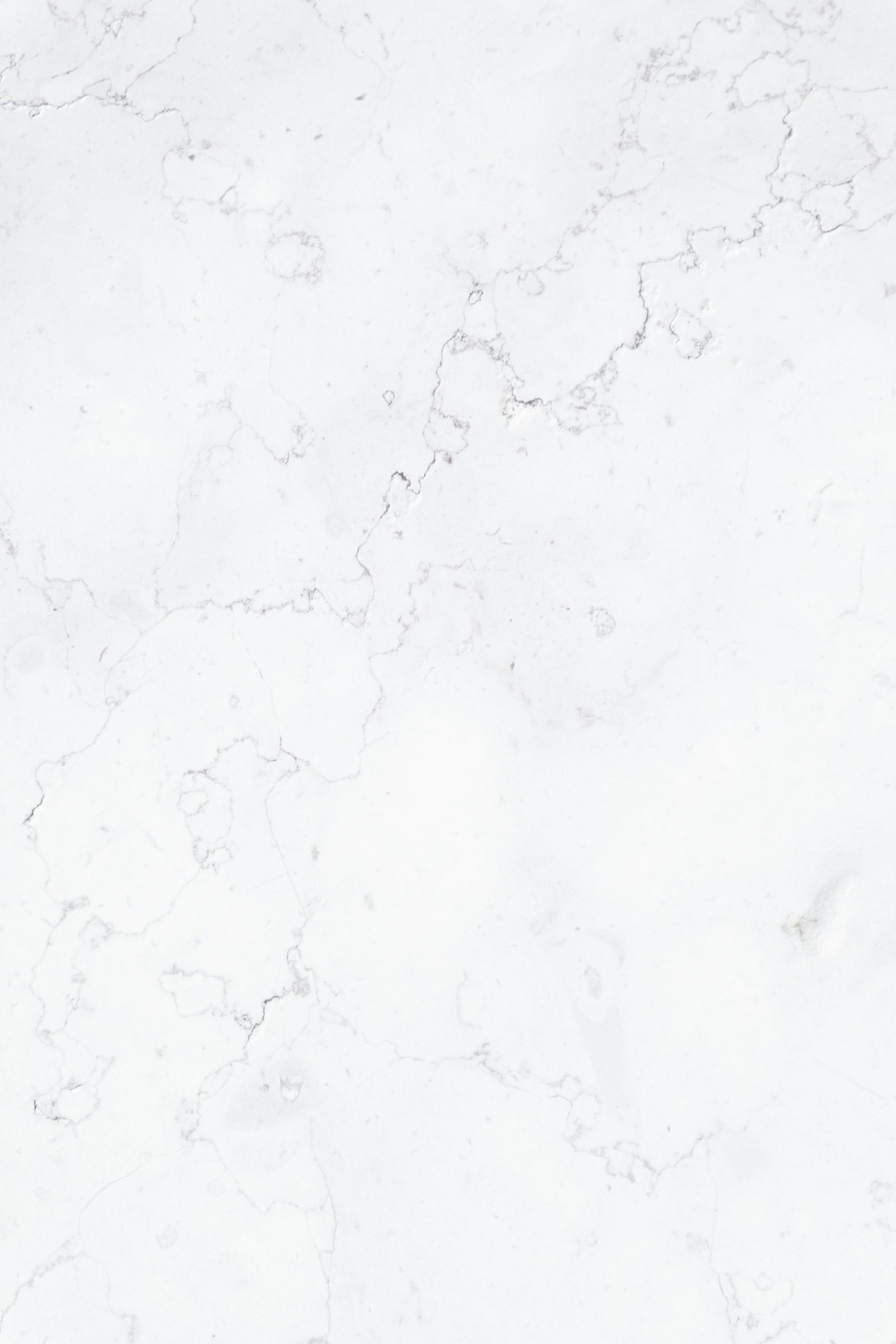
Granite is robust and acid-resistant, whereas marble reacts to acids with dull marks. Solid wood is warm and repairable, but needs regular oiling and attention at the sink. Stainless steel is hygienic and heat-proof, but quickly shows fine scratches, which over time merge into an even patina. You will find the full comparison in the article Worktop: Dekton, natural stone or quartz composite?.
The verdict at a glance
The following table summarises our experience with surfaces after several years of use. It is an assessment from practice, not a laboratory test.
| Surface | Daily effort | After five years | Repairable | Suited to |
|---|---|---|---|---|
| High-gloss lacquer | high | scratches in raking light | laborious | little-used areas |
| Matt lacquer with anti-fingerprint | low | good, edges delicate | laborious | kitchens, cabinets |
| Veneer, oiled | medium | patina, beautiful | good | living, kitchen |
| Super-matt laminate | low | very good | partly | family kitchen, bathroom |
| Ultra-compact surface | very low | very good | edges difficult | worktop, bathroom, outdoors |
| Quartz composite | low | good, heat delicate | limited | worktop, indoors |
| Marble, polished | high | visible etch marks | can be ground | bathroom, little acid |
| Porcelain stoneware | very low | almost like new | replace tile | floor, wall, bathroom |
| Micro-cement | medium | depends on the sealing | limited | wall, light use |
Floors: the test in front of the terrace door
Floors are the first thing a dog tests after a walk. Porcelain stoneware is practically indestructible here: cool underfoot, but easy care in every respect. Parquet shows scratches but can be sanded. Oiled finishes can be reworked locally, lacquered ones only over a large area.
For the family in Klosterneuburg we recommended a walk-off mat zone in front of the terrace door for the next stage, and a switch to ceramic in the kitchen area, while the parquet in the living area was sanded and oiled. How to join two floors so that the change feels natural is described in our comparison of floor coverings. Picture it: paws come in from the garden, a mat takes the worst, the ceramic shrugs off the rest, and nobody reaches for a cloth. And the bathroom?
Bathroom: water, limescale and soap
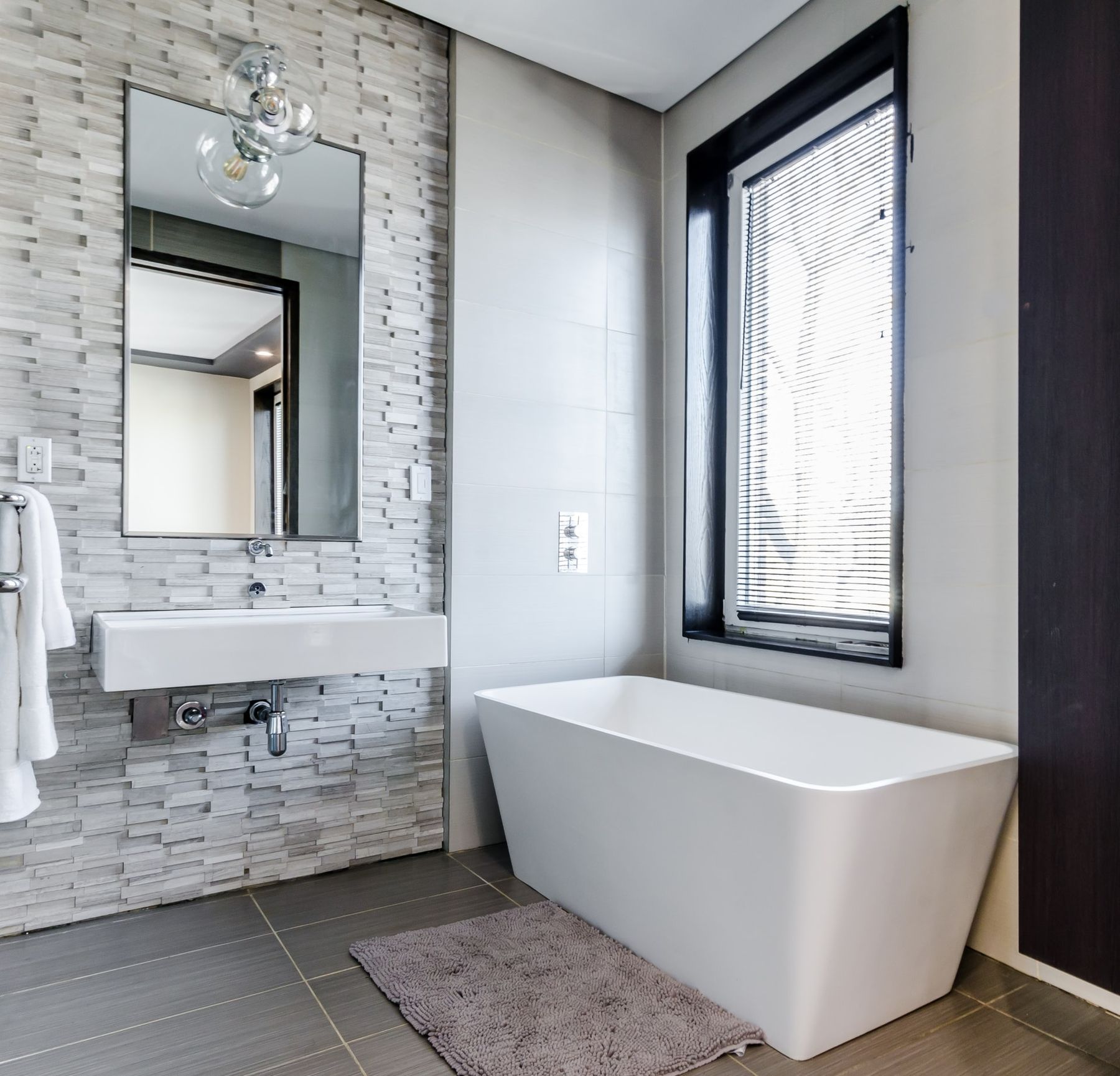
The bathroom brings other stresses: limescale, soap residue, constant moisture. Large-format porcelain stoneware with few joints is the easiest-care solution here. Glass in the shower stays clear longer with a coating, and a squeegee after showering spares you most of the limescale.
Micro-cement is seamless and beautiful, but requires careful sealing and gentle treatment. In heavily used showers it is more demanding than ceramic. Where it shines and where it reaches its limits is covered in the article Seamless: micro-cement and its limits. Natural stone in the bathroom is possible if you know the type of stone, as our piece on natural stone in the bathroom shows.
With taps, brushed finishes show fewer water marks than high-gloss chrome. How brass, stainless steel and chrome behave over the years is described in the article on taps. But not every mark is a flaw.
Patina or wear: the decisive difference
Not every mark is damage. An oak table at which people have eaten for ten years has a surface you cannot buy. Brushed brass that darkens at the handles tells you where the hands are. That is patina, and it makes a home feel alive.
Wear is something else: a chipped lacquer edge, a swollen chipboard panel under the sink, a scratch in high gloss that never goes away. Wear occurs when a material cannot cope with a load it was not designed for.
A good surface ages like a leather shoe, not like a plastic cup.
Planning decides which marks appear. Where material strikes material, where water stands, where children climb, robust surfaces are needed. Where you mainly look and touch, it can be more delicate. Why longevity is also the most sustainable choice is described in the piece Sustainable means long-lasting. How do you apply all this to your own choice?
Checklist for choosing
These questions help to find the right surfaces at the sampling stage:
- Who uses the room, how often and how intensively? Children, pets, many guests?
- Where is water involved, where heat, where acid?
- Do you want a surface that ages or one that stays the same?
- Can the surface be repaired locally, or only replaced completely?
- How does it look in raking light, for instance in the evening under under-cabinet lights?
- Does it go with the other materials in the apartment?
When sampling, we lay out samples in your own kitchen, rub our fingers over them, drip lemon juice and red wine on them and look at them in different light. That tells you more than any data sheet.
A second test concerns cleaning. We wipe the samples with the product that is used in the household anyway, and with a damp microfibre cloth. If streaks remain, the surface becomes tiresome in daily life. With dark, matt fronts in particular, this often shows up only in this simple trial, and it is better to know before ordering than after. At Richard Atelier we start from one question, how do you want to live, and test surfaces against the answer.
What the family in Klosterneuburg would do differently today
For the new kitchen the family chose fronts in super-matt laminate in a warm grey, a Dekton worktop with slightly chamfered edges and ceramic in the cooking area. The high-gloss fronts were not thrown away: some were reused in the utility room, where fingerprints bother nobody.
It was built by Tischlerkultur, our own joinery in the Viennese tradition of 1935, and planned as part of a small overall concept for kitchen, floor and lighting, with one contact person from first sketch to handover. Imagine the Saturday morning: pancakes on the island, the dog asleep on cool ceramic. You will find more on kitchen planning on the page about fitted kitchens, and on the bathroom on the page bathroom renovation. How a family home can grow with the years is described in the piece When the family grows.
Frequently asked questions
Which kitchen front is the easiest to care for?
Super-matt laminates and matt lacquers with anti-fingerprint properties are the most straightforward in daily use. They show hardly any fingerprints and are easy to clean. High gloss, by contrast, is the most demanding choice, especially with handleless fronts.
Which worktop lasts the longest?
Ultra-compact surfaces such as Dekton are the most resistant to heat, scratches, stains and UV light. Granite is also very robust. The weak points of ultra-compact slabs are the edges, which can chip under hard blows.
Is quartz composite heat-resistant?
Only to a limited extent. Quartz composite contains synthetic resin, which can discolour or crack with very hot pans. A trivet is therefore always advisable, and outdoors the material is unsuitable because it lacks UV resistance.
Is marble in the kitchen a bad idea?
Not bad, but demanding. Marble reacts to acids with dull etch marks and takes up stains more readily. Anyone who likes patina and chooses a honed rather than polished finish can be happy with it; anyone who expects a flawless surface probably cannot.
What is easier to care for in the bathroom: micro-cement or tiles?
Large-format porcelain stoneware is easier to care for and less sensitive in daily life. Micro-cement is seamless and looks very calm, but needs good sealing and gentle cleaning products. In heavily used showers we would rather recommend ceramic.
How can you tell a long-lasting surface?
By the fact that it is either very resistant or can be repaired. Surfaces that are neither robust nor repairable age badly. At every sampling, ask what happens when a scratch or stain appears.