Materials · 10 min read
What Is Dekton? The Honest Answer on What Ultra-Compact Surfaces Can and Cannot Do
You put a hot pan down without thinking, red wine runs across the worktop, and for one second you hold your breath. Now imagine not needing to. Picture a couple in Mödling, just south of Vienna, who are currently converting their house. He cooks with passion, with plenty of lemon, red wine and hot pans. She wants the indoor kitchen and the outdoor kitchen on the terrace to look as if cast from a single mould. Let us call them the H. family. In the showroom one name keeps coming up: Dekton. They have heard of it, they have seen pictures, but they do not know exactly what it is. Is it stone? Ceramic? Plastic? And does it really live up to what everyone promises?
Contents
What is Dekton? A clear definition
Dekton is a so-called ultra-compact surface. For it, the manufacturer Cosentino mixes inorganic raw materials of the kind also found in glass, porcelain and quartz composites. This mixture is pressed under very high pressure and then fired at high temperatures. In the process the particles fuse into an extremely dense slab.
In simplified terms, the process can be imagined as an accelerated version of what happens in nature to rock under pressure and heat over long periods. The result is neither natural stone nor a classic quartz composite. It is most closely related to ceramic materials, but denser and available in larger formats.
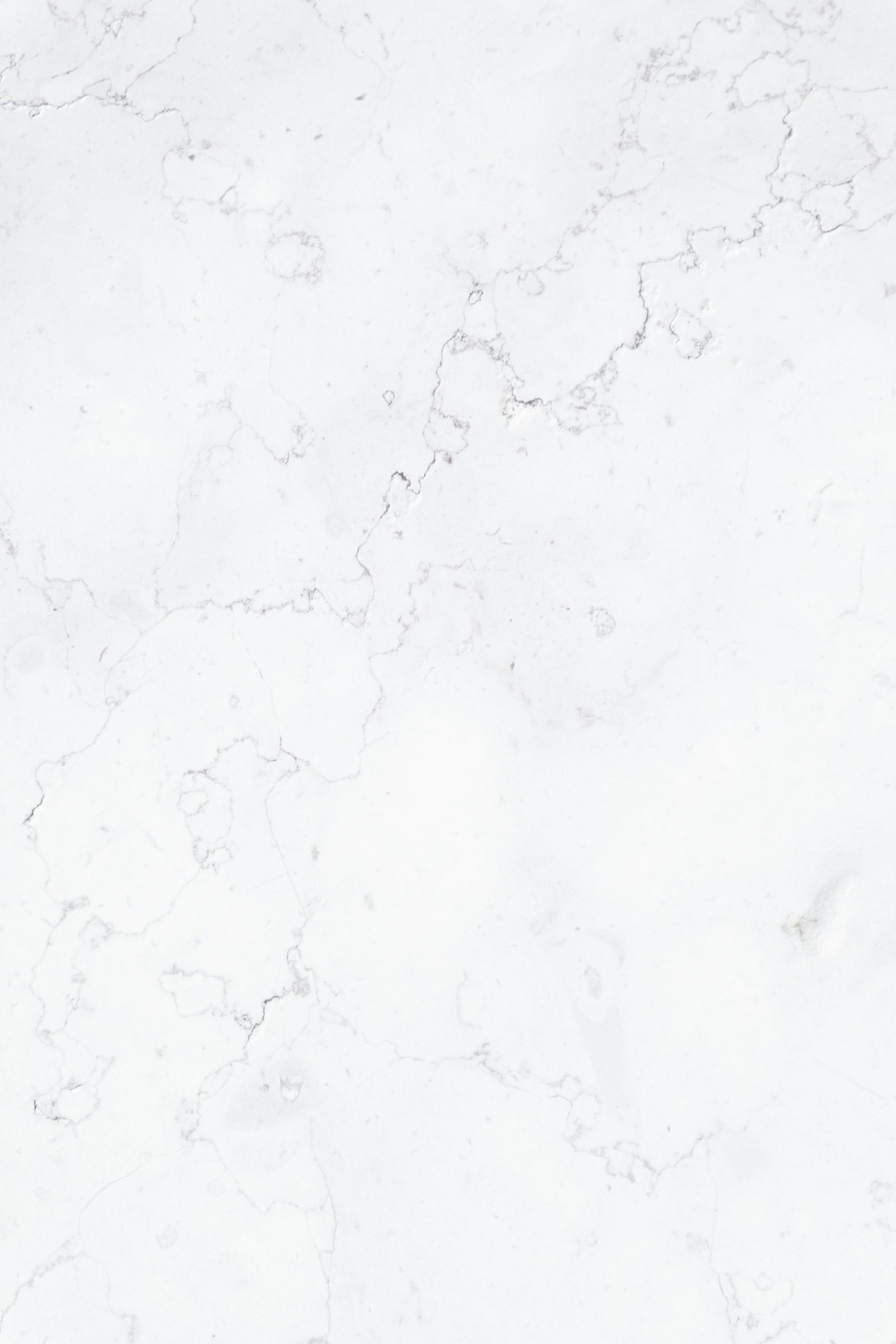
Dekton is made in large slabs, in several thicknesses. Thin slabs suit wall cladding and furniture fronts; thicker ones suit worktops, floors and outdoor applications. The surfaces range from matt to polished, from concrete-like through timber-like to marble-like patterns.
Dekton is not a substitute for stone but a material in its own right with its own rules. Anyone who knows those rules will enjoy it for a long time.
Choosing a worktop from pictures has a cost that shows up slowly: the stain you scrub for years, the edge that chips at the first knock, the surface that fades on the terrace. A worktop stays for a long time, and a wrong choice here is not a drawer you swap. So what are the strengths?
The strengths: why Dekton is recommended so often
The properties that made Dekton well known all follow from its high density. Because the material has hardly any pores, little gets in and little can change it.
- Stain-resistant: Red wine, oil, coffee and lemon juice do not soak in. Sealing, as many natural stones need, is not required.
- Heat-resistant: The material withstands high temperatures considerably better than surfaces containing synthetic resin. We still recommend putting very hot pots and pans on a trivet to avoid localised stress.
- Scratch-resistant: In everyday use Dekton is very resistant to scratches. Cutting directly on the slab is possible but dulls the knives. A chopping board remains the better choice.
- UV-resistant: Colours do not fade even in direct sunlight. That is why Dekton suits terraces, outdoor kitchens and façades.
- Hygienic: The closed surface can be kept clean with water and a mild cleaner.
- Large-format: Slabs of more than three metres in length allow worktops and wall surfaces with few joints or none.
For the H. family the last point is especially important: the same surface can lie on the cooking island, on the splashback and outside in the outdoor kitchen. How an outdoor kitchen is planned for Viennese summers and winters is described in the article outdoor kitchen on the terrace.
Imagine the first summer evening. He sears steaks on the terrace, wine and lemon splash across the surface, and afterwards a damp cloth is all it takes. Inside and out, the island and the outdoor kitchen look cast from one mould. No material is perfect, though. Where are the limits?
The limits: what Dekton cannot do
Every material has weaknesses. With Dekton they lie in different places than with wood or natural stone, and anyone who knows them can take them into account in the planning.
Edges and corners
The great hardness of the material has a downside: a hard, localised impact, for instance from a cast-iron pot falling onto the edge, can chip off a piece. That is why we plan edges with a slight chamfer or rounding instead of making them razor-sharp. At exposed points, such as the corner of a cooking island next to a passage, this is particularly important.
Repair
Small chips can be repaired by specialist firms, but cannot be made invisible as with solid wood, which you sand down. Larger damage means, in case of doubt, replacing part of a slab. This is rare, but should be known.
Pattern and edge
In many ranges the pattern lies mainly at the surface. If you cut the slab, the edge looks different from the face. Depending on the range, the material is either through-coloured or the pattern continues partly into the core. For mitred edges, where two slabs meet at a 45-degree angle, this is not an issue. For visible cut edges, sink cut-outs or drilled holes, we clarify beforehand which range has which edge appearance.
Fabrication
Dekton cannot be cut in every workshop. It requires special tools, experience and careful work, especially for cut-outs for hobs and sinks. Fabrication is therefore carried out by specialist firms with whom we work in a coordinated way, while the joinery around the slab comes from our own workshop, Tischlerkultur, family-run since 1935.
Sound and feel
A very dense slab is acoustically hard. Crockery sounds slightly louder than on wood. And a glass that falls on it is more likely to break. That, however, applies to any stone or ceramic surface. So how does it compare with the alternatives?
Dekton compared with other worktops
The table below places Dekton roughly against other common materials. The classification is general. Within each group there are large differences, for example between a hard granite and a soft marble.
| Property | Dekton | Natural stone | Quartz composite | Solid wood |
|---|---|---|---|---|
| Sensitivity to stains | very low | low to high depending on stone | low | medium, depending on finish |
| Heat resistance | very high | mostly high | limited by resin content | low |
| UV resistance | very high | mostly high | limited | low |
| Edge sensitivity | increased under impact | medium | medium | low, repairable |
| Repairability | limited | good by sanding | limited | very good |
| Outdoor use | suitable | depends on stone | usually not recommended | only to a limited degree |
You will find a detailed comparison with notes on care and everyday use under worktop: Dekton, natural stone or quartz composite. If you want to know in general which surfaces still look good after years, read on under easy to care for? Which surfaces last. And where do we use it, and where do we not?
Where we use Dekton and where we do not
In our projects we use Dekton mainly where a surface is heavily used and at the same time should look calm. The most common uses:
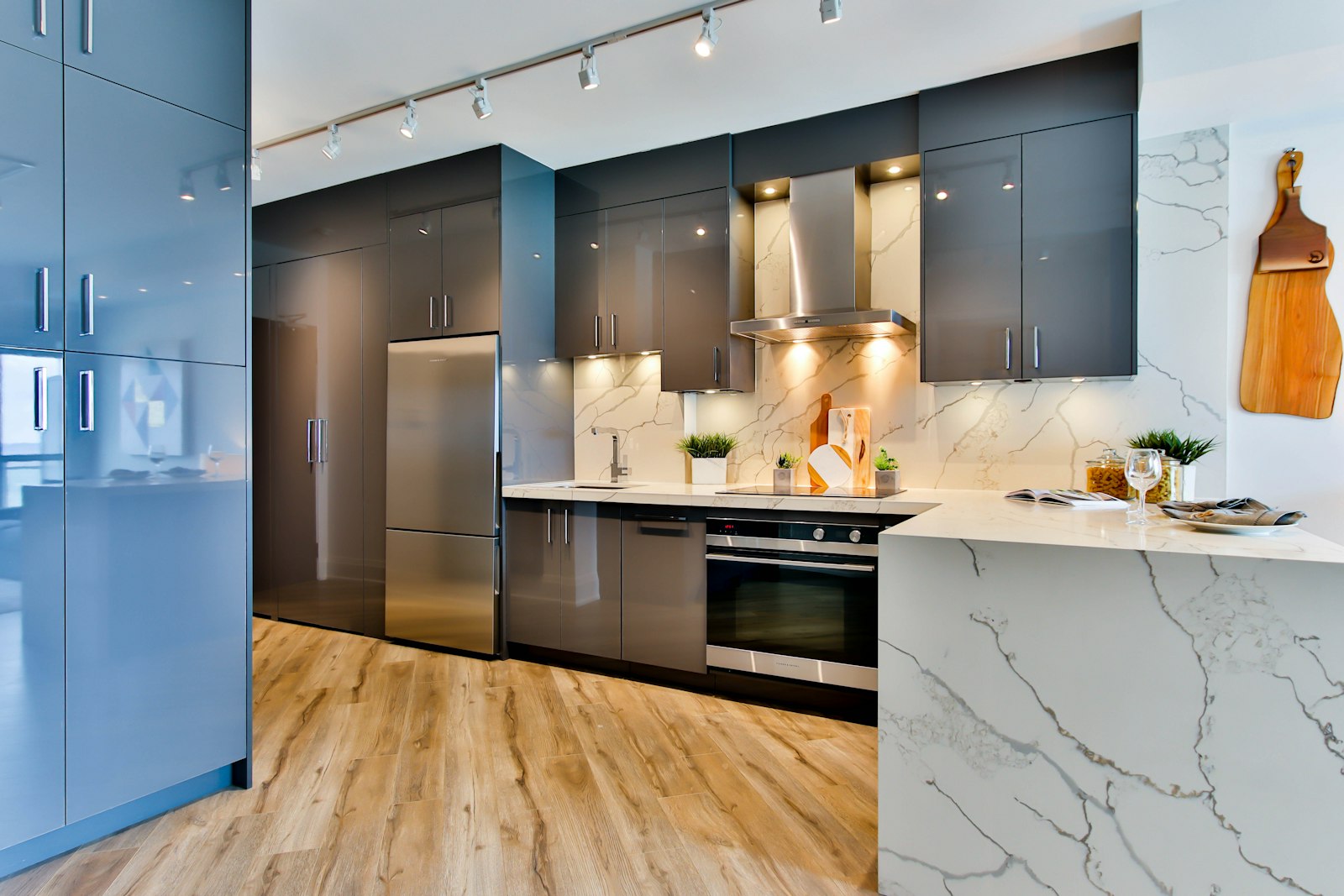
- Worktops in kitchens, especially on cooking islands with an integrated hob. Heat and stain resistance count here.
- Splashbacks in the kitchen in the same surface as the worktop, often without a joint.
- Outdoor kitchens, because according to the manufacturer sun, rain and frost do little to the material.
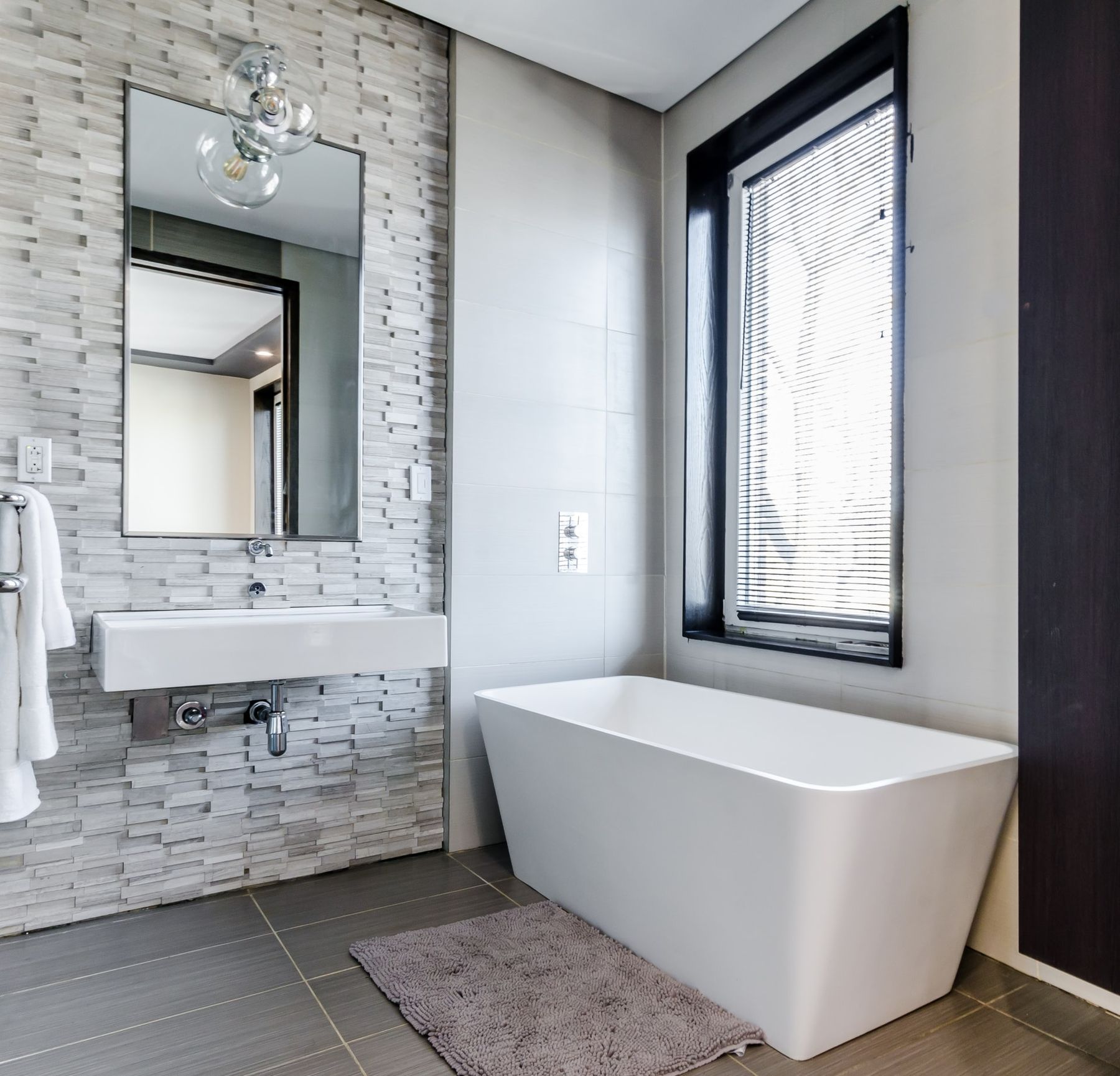
- Washbasin tops and wall surfaces in the bathroom, when large formats and few joints are wanted.
- Fronts, with kitchen manufacturers who offer thin slabs as fronts.
Where we are more reserved: in rooms that are meant to feel deliberately warm and soft, such as the bedroom or a library. There, wood suits better. And in places where edges are constantly knocked and cannot be protected.
For the H. family, Dekton ends up on the cooking island, on the splashback and in the outdoor kitchen. The fronts are of smoked oak, so that the kitchen does not feel cold. How a hob with integrated extraction is set into such an island is described in the article on hobs with downdraft extraction. How we plan kitchens overall is shown on the page about fitted kitchens. One person coordinates all of it, from the first sketch to handover.
Imagine the Mödling kitchen in the morning: smoked oak fronts that feel warm, a calm matt surface in the sunlight, and a terrace outside that carries on in the same tone.
Dekton in the materials concept
A material never works alone. Dekton with a concrete look next to white lacquered fronts gives a different picture from the same slab next to walnut and brass. That is why we always choose the surface in relation to floor, fronts, light and the neighbouring rooms.
One advantage of Dekton is its versatility. The same range can appear as a worktop in the kitchen, as a washbasin top in the bathroom and as flooring on the terrace. This creates a common thread through the house, as we describe in the article the materials concept.
The most beautiful worktop is the one you no longer notice after five years, because it simply works and belongs to the room.
In the bathroom, Dekton comes into play where large surfaces with few joints are wanted. If you are weighing Dekton against large-format ceramic, you will find pointers under large-format ceramic in the bathroom. Examples of bathrooms with large formats are shown on our Bathrooms page. And once it is installed, what does care involve?
Everyday care
Care is simple, but not entirely a matter of indifference. For daily cleaning a damp cloth and a mild cleaner are enough. On matt surfaces, metal abrasion can become visible, for example when the base of a pot is pushed across the slab. These marks can usually be removed with a suitable cleaner named by the manufacturer.
Abrasives with coarse particles, steel wool or aggressive chemicals are not necessary and should be avoided, even though the material tolerates a lot. We hand over the manufacturer's specific care recommendations at completion, because they differ slightly depending on the surface.
A question that often comes up: does Dekton need sealing? No. The density of the material makes sealing superfluous. This is one of the essential differences from many natural stones.
Outdoors the same applies, with one addition: leaves, pollen and lime from rainwater settle on any surface. Wiping regularly with water is usually enough. For the H. family the outdoor kitchen also gets a winter cover, not because of the slab but because of the appliances and fittings beneath. Anyone planning an outdoor kitchen should also think of a fall, so that rainwater does not stand on the surface.
Frequently asked questions
What exactly is Dekton?
Dekton is an ultra-compact surface from the manufacturer Cosentino. It consists of mineral raw materials that are pressed under high pressure and fired at high temperatures. The result is a very dense, low-porosity slab related to ceramic materials. Whether it suits your project is something we assess with you.
Is Dekton scratch-resistant?
In everyday use Dekton is very resistant to scratches. Cutting directly on the slab is possible but dulls knives, so a chopping board remains the gentlest choice. On matt surfaces, metal abrasion can become visible, which can usually be removed with a suitable cleaner.
Can you put hot pots directly on Dekton?
The material is very heat-resistant. We still recommend a trivet for very hot pots and pans to avoid localised stress. The manufacturer's notes for the particular range and thickness should be observed. A trivet is a small habit that spares the slab.
Can Dekton be used outdoors?
Yes. Dekton is UV-resistant and, according to the manufacturer, also suitable for frost and weather. It is therefore often used for outdoor kitchens, terrace floors and façades. A professional substructure and installation are important, and we plan the fall and the winter cover with you.
What happens if an edge chips?
Small chips can be repaired by specialist firms, but usually remain slightly visible. With larger damage, replacement may be necessary. Slightly chamfered or rounded edges reduce the risk markedly, and we plan exposed corners with this in mind from the start.
Does Dekton need to be sealed or impregnated?
No. Thanks to its very low porosity, Dekton absorbs hardly any liquid and needs no impregnation. Water and a mild cleaner are enough for cleaning, which is one chore less.